




Inflammasomes and Proteostasis: Novel Molecular Mechanisms Associated With Atrial Fibrillation

Atrial fibrillation (AF), the most common progressive and age-related cardiac arrhythmia, affects millions of people worldwide. AF is associated with common risk factors, including hypertension, diabetes mellitus, and obesity, and serious complications such as stroke and heart failure. Notably, AF is progressive in nature, and because current treatment options are mainly symptomatic, they have only a moderate effect on prevention of arrhythmia progression. Hereto, there is an urgent unmet need to develop mechanistic treatments directed at root causes of AF.
Derailment of inflammasomes and proteostasis drive AF
Recent research findings from the lab of Dr. Na Li and Prof. Bianca Brundel, indicate a key role for inflammasomes and derailed proteostasis as root causes of AF. In the review paper published June 18, 2020 in Circulation Research as part of the Compendium on Atrial Fibrillation, organized by Prof. Patrick Ellinor, Li and Brundel elaborate on the molecular mechanisms of these 2 emerging key pathways driving the pathogenesis of AF.
First the role of NLRP3 (NACHT, LRR, and PYD domains-containing protein 3) inflammasome on AF pathogenesis and cardiomyocyte remodeling is discussed.
Then pathways of proteostasis derailment are highlighted, including exhaustion of cardioprotective heat shock proteins, disruption of cytoskeletal proteins via histone deacetylases, and the recently discovered DNA damage-induced nicotinamide adenine dinucleotide+ depletion to underlie AF.
Moreover, potential interactions between the inflammasomes and proteostasis pathways are discussed and possible therapeutic targets within these pathways indicated.
Read more on this topic via https://doi.org/10.1161/CIRCRESAHA.119.316364 Circulation Research. 2020;127:73–90
Do you know someone who might be interested in this?


Related articles

Interview with Dr. Kavousi: Gender Differences in Afib

What differences exist in symptom manifestation, prognosis, and the effect of lifestyle factors between men and women when it comes to atrial fibrillation (afib)? The AFIP foundation sat down with

Can Vitamin D Lower Your Risk of Atrial Fibrillation? Exploring the Link Between Heart Health and the Sunshine Vitamin
Researchers are increasingly highlighting the impact of vitamin D on cardiac health. Recent studies suggest that adequate vitamin D levels may lower the risk of atrial fibrillation (Afib) and that
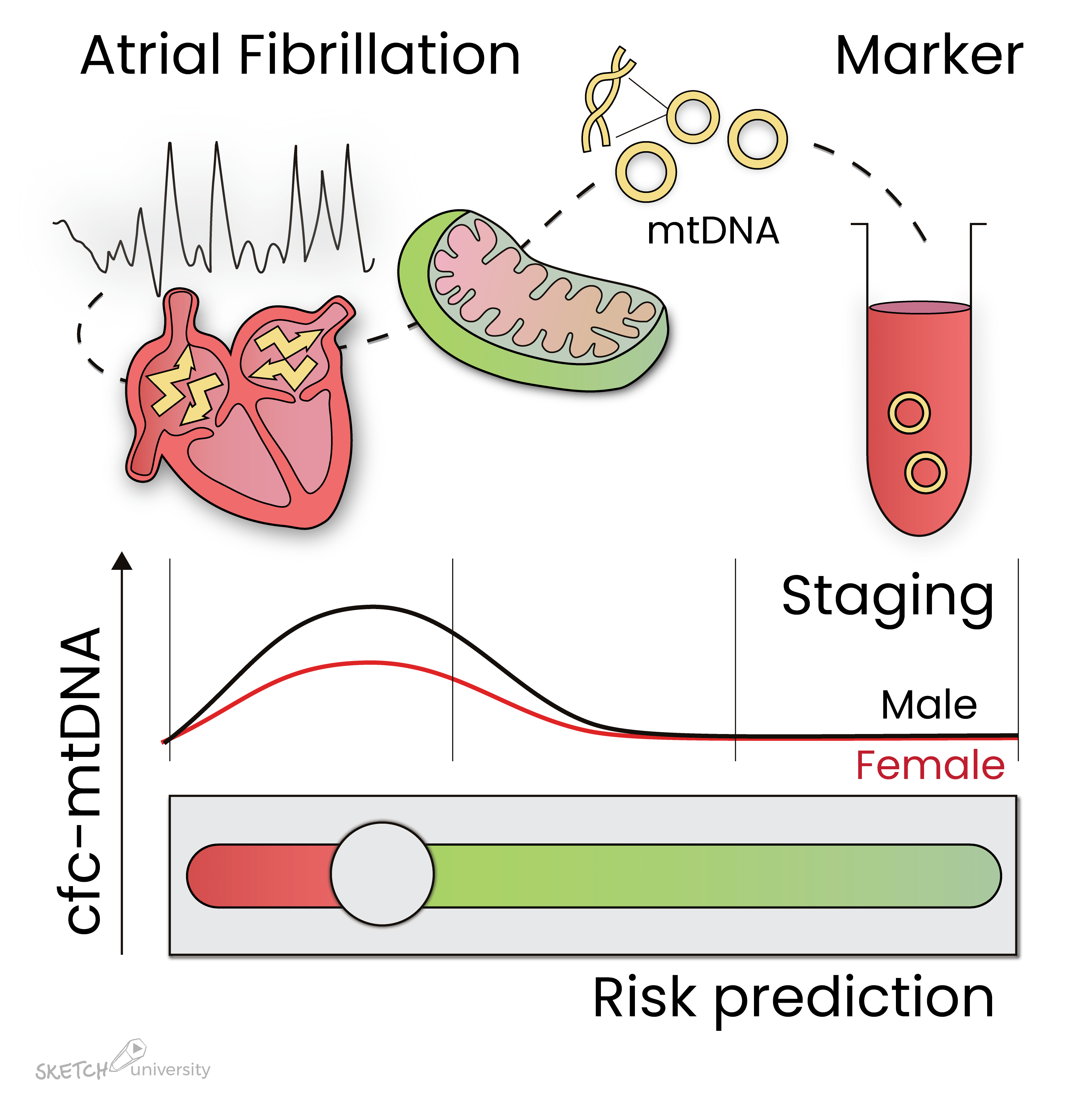
Cell-free circulating mitochondrial DNA: a potential blood-based marker for atrial fibrillation
Atrial fibrillation (AF) is the most common progressive cardiac tachyarrhythmia globally. AF is present in 3% of the total population, with a higher prevalence in the elderly, and is associated